Anil Kumar is a software engineer with more than 20 years of experience and a strong interest in consumer technology. Over the years, he has worked closely with technology while also following how everyday devices continue to evolve—from smartphones and laptops to TVs, cameras, audio products, accessories, and emerging tech.
That interest led him to create iTechVora, a platform focused on helping readers better understand the products they use and the technology behind them. He closely follows new launches, specifications, software features, industry developments, and product trends, combining his technical background with a practical, reader-first approach.
At iTechVora, Anil writes about smartphones, laptops, televisions, gadgets, product comparisons, buying guides, technology news, and upcoming devices. His goal is to make technology easier to understand without unnecessary jargon, so readers can make more informed decisions before choosing or buying a product.
For Anil, technology is more than a professional field—it is something he has been curious about for decades. iTechVora is where he shares that experience, curiosity, and interest with readers who want clear and useful information about the latest technology.
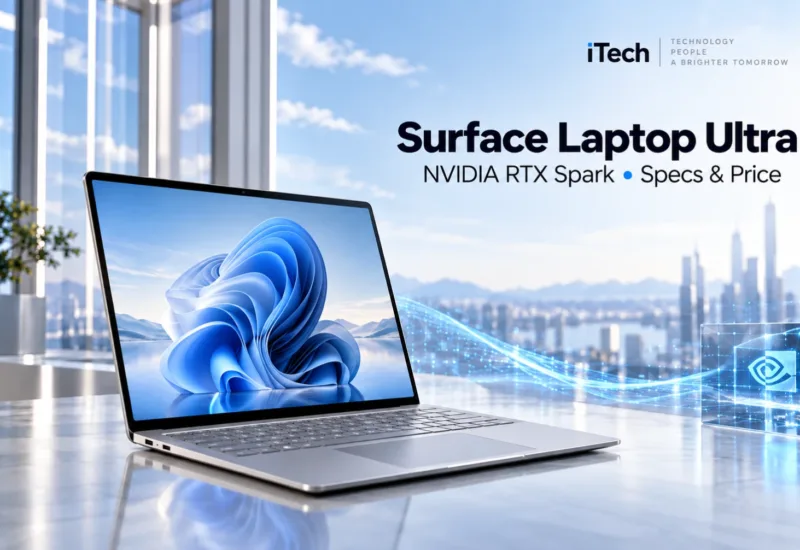
The Microsoft Surface Laptop Ultra starts at $2,599.99 with NVIDIA RTX Spark, a 15-inch Mini-LED display and up to 128GB unified memory. Explore its configurations, AI capabilities, pricing and important buying considerations.
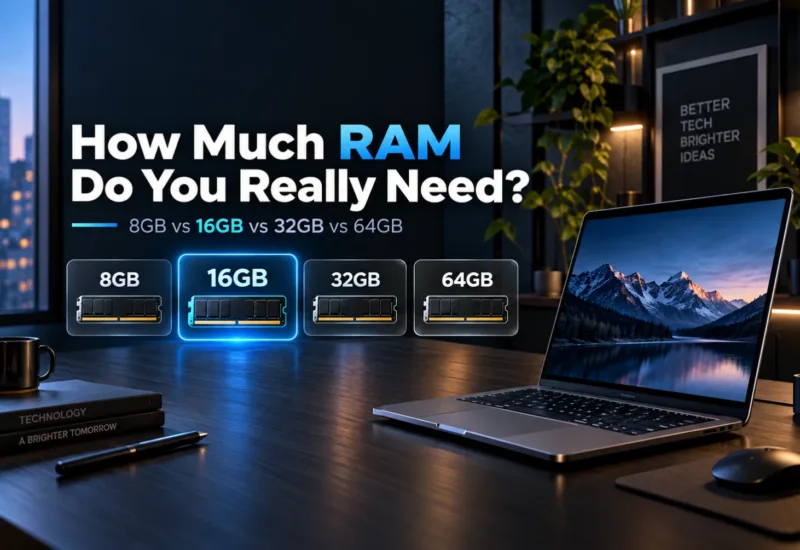
8GB, 16GB, 32GB or 64GB? We explain how much RAM a laptop really needs in 2026 for everyday work, gaming, programming, video editing and professional workloads.
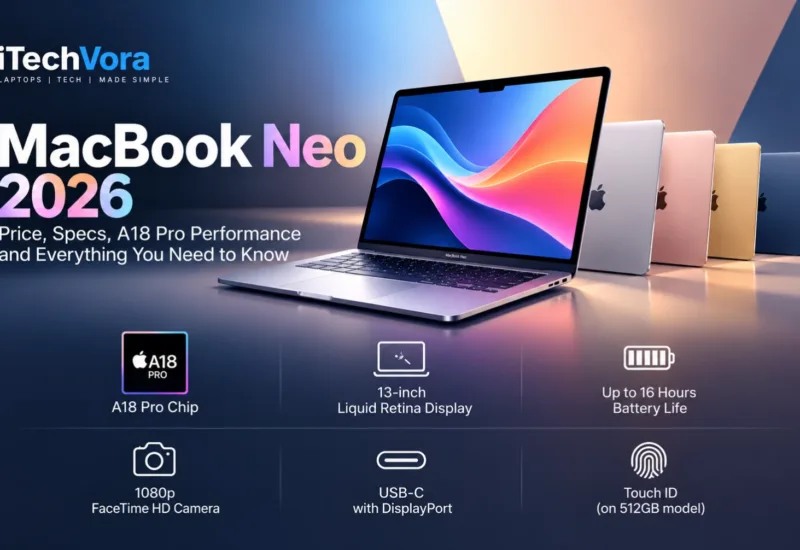
The MacBook Neo is aimed at students, first-time Mac buyers and mainstream users who spend most of their time browsing, studying, streaming, communicating and using everyday productivity apps. Its strongest combination is the efficient A18 Pro, sharp 13-inch display and lightweight aluminium design. The main long-term compromise is the fixed 8GB unified memory, followed by limited storage expansion and modest connectivity.
OLED, QLED and Mini-LED are often compared as though they are three versions of the same technology. They are not. Here is what actually separates them and which differences matter when buying a TV.
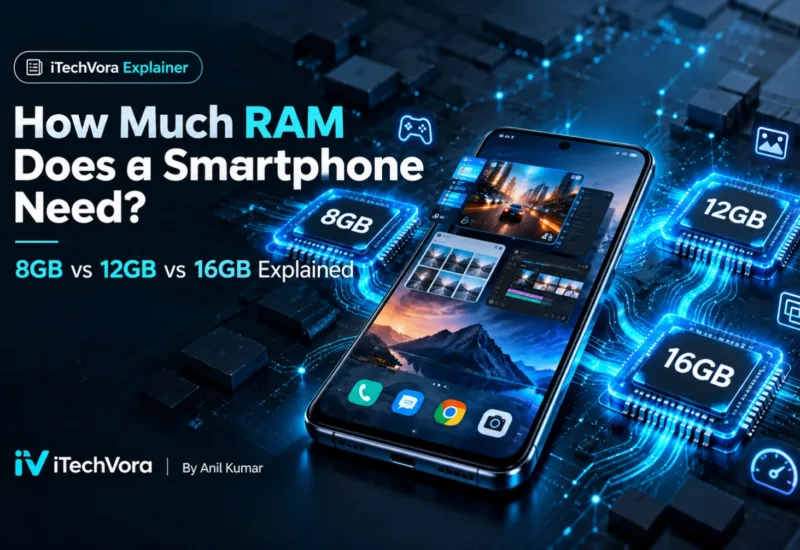
Does a smartphone really need 12GB or 16GB of RAM? We explain what RAM actually changes, when 8GB is enough and when paying for more memory makes sense.
Five phones stand out for very different reasons in 2026. Our picks cover the strongest all-round flagship, iPhone choice, camera and AI-focused Android, battery specialist and a capable option around $500.
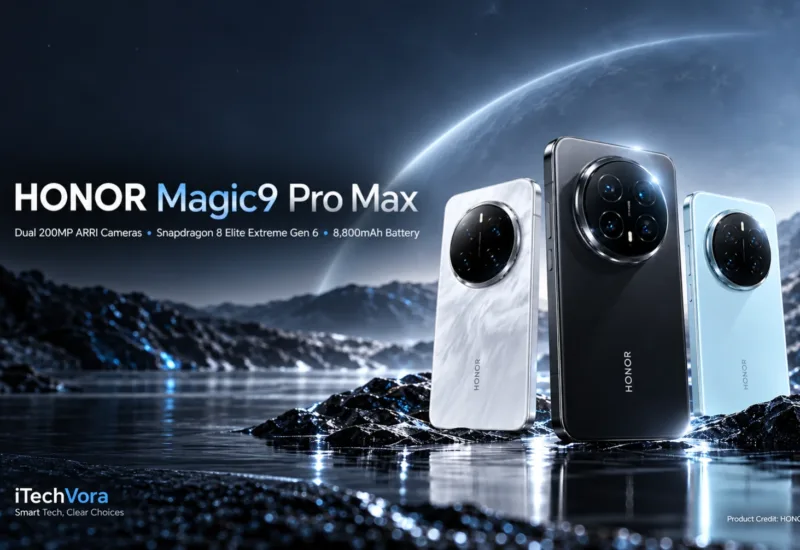
The HONOR Magic9 Pro Max is aimed at creators who want more serious video controls from a smartphone. Its standout combination is the ARRI-backed cinema workflow, dual 200MP rear cameras and large 8,800mAh battery. The main consideration is that this is currently a China-first launch, while international pricing, long-term software support and real-world camera and battery performance still need confirmation.
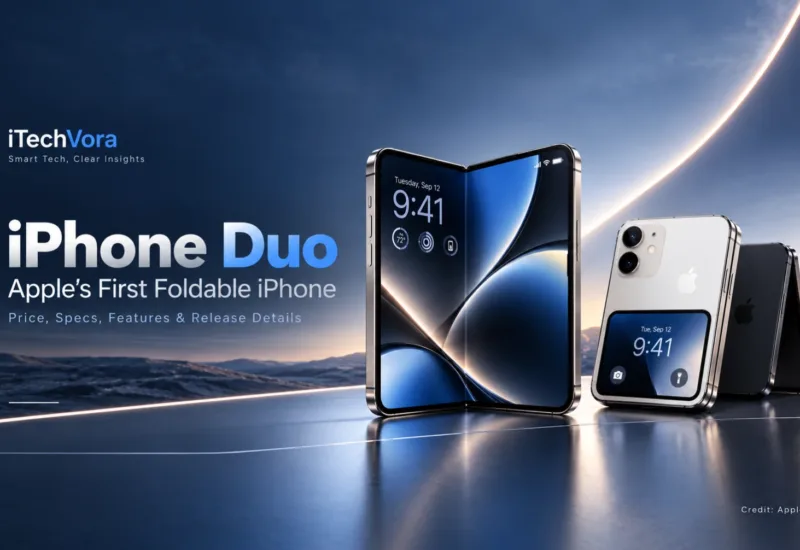
The iPhone Duo is built for Apple users who want tablet-like screen space without carrying a second device. Its large folding display, A20 Pro hardware and iOS multitasking give it a clear productivity angle, but the $1,999 entry price, 254g weight and absence of a dedicated telephoto lens make it a very considered purchase rather than an automatic upgrade.
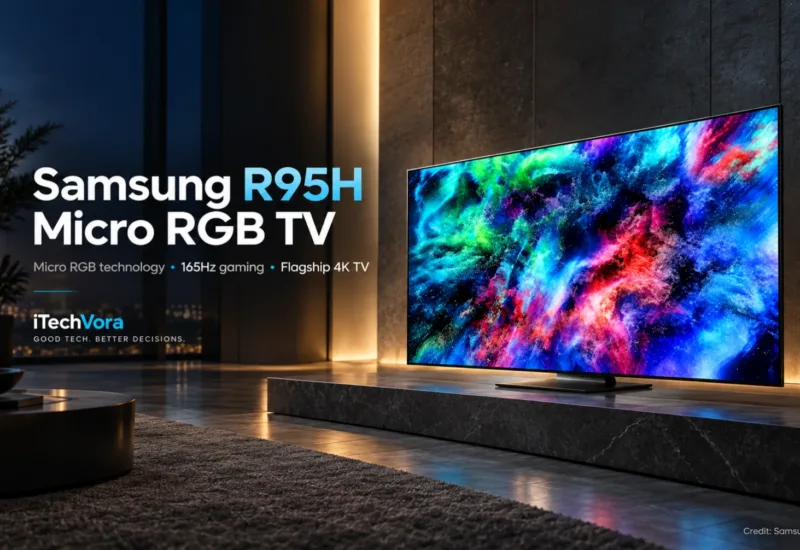
The Samsung R95H is aimed at premium-TV buyers who want an LCD rather than OLED, particularly for bright rooms, gaming and high-refresh-rate PC use. Its Micro RGB backlight, matte Glare Free screen and 165Hz capability are the main reasons to consider it. The high purchase price and absence of Dolby Vision are the clearest compromises.