Anil Kumar is a software engineer with more than 20 years of experience and a strong interest in consumer technology. Over the years, he has worked closely with technology while also following how everyday devices continue to evolve—from smartphones and laptops to TVs, cameras, audio products, accessories, and emerging tech.
That interest led him to create iTechVora, a platform focused on helping readers better understand the products they use and the technology behind them. He closely follows new launches, specifications, software features, industry developments, and product trends, combining his technical background with a practical, reader-first approach.
At iTechVora, Anil writes about smartphones, laptops, televisions, gadgets, product comparisons, buying guides, technology news, and upcoming devices. His goal is to make technology easier to understand without unnecessary jargon, so readers can make more informed decisions before choosing or buying a product.
For Anil, technology is more than a professional field—it is something he has been curious about for decades. iTechVora is where he shares that experience, curiosity, and interest with readers who want clear and useful information about the latest technology.
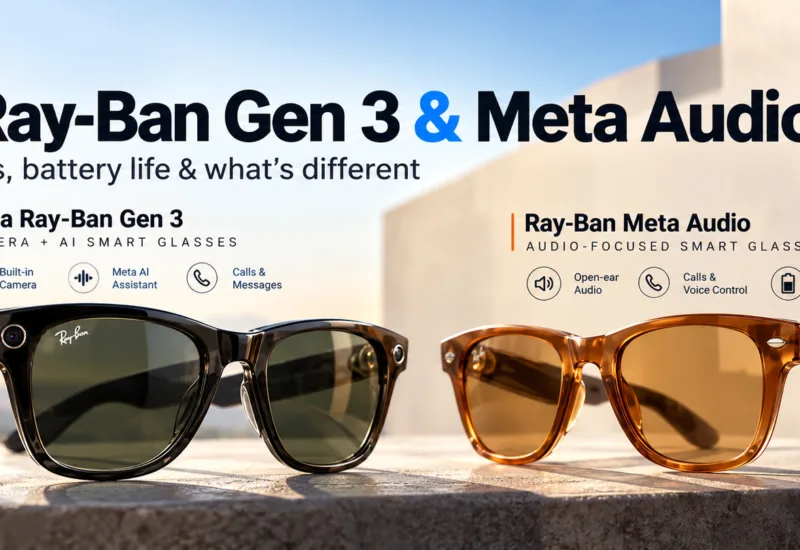
Ray-Ban Meta (Gen 3) is the more capable choice for people who want hands-free photo and video capture alongside open-ear audio and Meta AI, while Ray-Ban Meta Audio removes the camera in favor of a lighter, audio-first design and longer manufacturer-rated battery life. Gen 3 reaches up to 9 hours per charge; Meta Audio is rated for up to 12 hours. Both require a compatible smartphone, Meta account and Meta AI app, and feature availability varies by region and language.
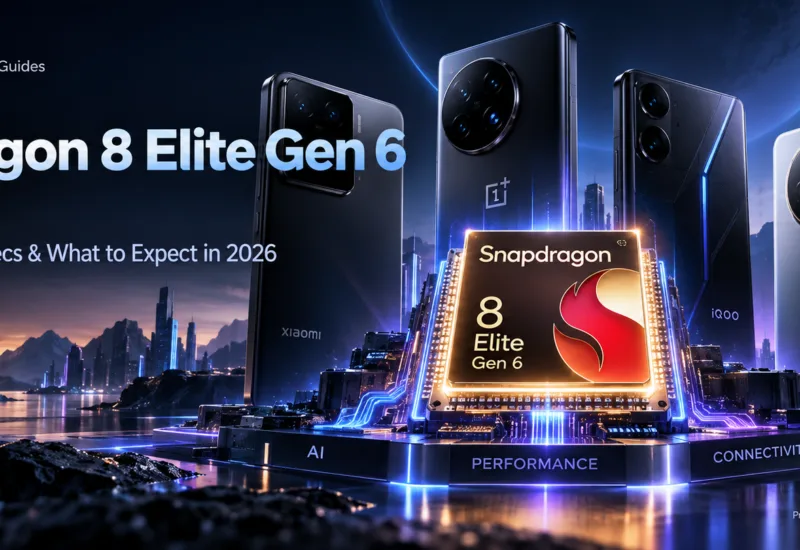
For anyone comparing 2026 Android flagships, the important detail is no longer simply whether a phone says “Elite Gen 6.” Qualcomm has divided the generation into two levels. The regular version already carries the 5GHz Oryon CPU, X105 modem and current FastConnect hardware, while the Extreme chip adds more specialized graphics technology. That gives buyers a clearer processor distinction, although cooling, cameras, battery capacity and software support still depend on the phone built around it.
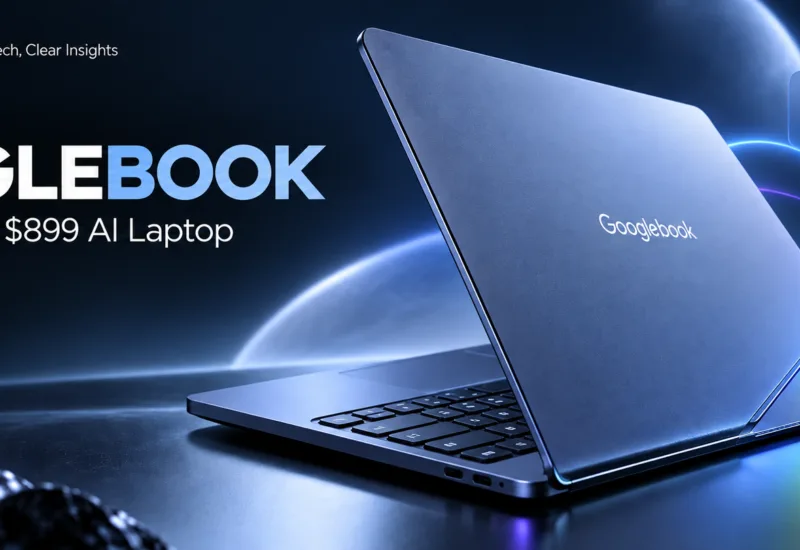
Googlebook is Google’s new premium laptop platform built around Android integration, Gemini Intelligence, and higher-end hardware. The lineup starts at $899 in the US, with Intel Core Ultra 5 or Snapdragon X Elite processors, 16GB RAM, and model-specific OLED or LCD touch displays.