
The strongest phones of 2026 do not all solve the same problem. Samsung pushes toward maximum hardware versatility, Apple combines high sustained performance with an unusually capable video system, Google puts its latest AI and computational photography tools into a smaller flagship, while OnePlus trades some camera consistency for exceptional battery endurance and fast charging. At the other end of the price range, Google’s Pixel 10a keeps the essentials unusually competitive around $500. This U.S.-focused guide compares five phones that make sense for distinctly different buyers rather than filling the list with near-identical flagships. Current pricing, long-term support, camera flexibility, battery behavior, performance and meaningful compromises all matter more here than simply choosing whichever model has the biggest specification numbers.
Our top 5 picks
Count down to our #1 choice.
-
#5 Google Pixel 10a
Best phone around $500
Model / configuration: 128GB storage / 8GB RAM
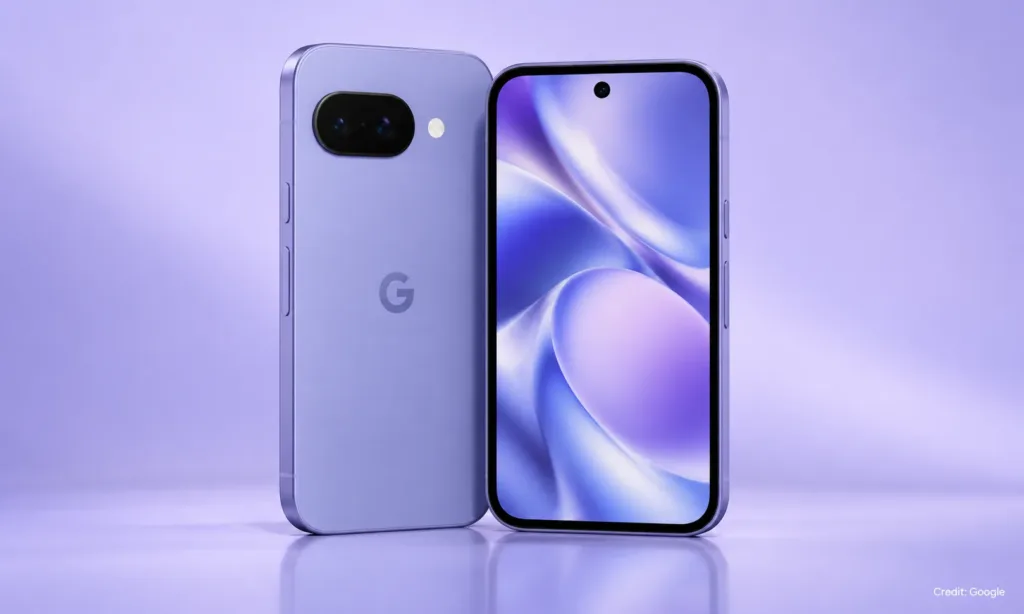
The Pixel 10a earns its place because its $499 starting price still buys a 120Hz OLED display, dependable dual cameras, wireless charging and a seven-year update commitment. It is a particularly sensible choice for buyers who care more about everyday usability, photography and software longevity than benchmark-leading performance. The Tensor G4 processor and familiar camera hardware also make this a conservative upgrade, so Pixel 9a owners have little reason to move up.
Key features
- 6.3-inch 60–120Hz Actua pOLED display
- Tensor G4 processor with 8GB RAM
- 48MP main and 13MP ultrawide cameras
- 5,100mAh typical battery with wireless charging
- Google promises software support for seven years, covering Android upgrades, security patches and ongoing Pixel feature releases.
What to consider
- Tensor G4 is carried over from the previous generation
- No dedicated telephoto camera
- Hardware improvements over Pixel 9a are modest
-
#4 OnePlus 15
Best for battery life and fast charging
Model / configuration: 12GB RAM / 256GB storage
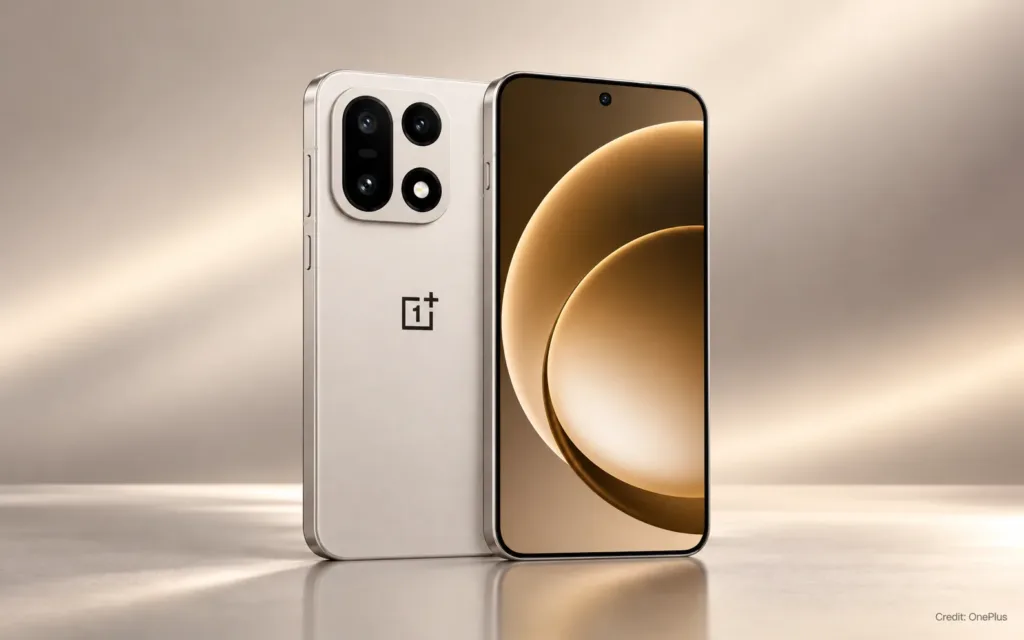
The OnePlus 15 is the specialist here for buyers who regularly push a phone hard and dislike planning their day around a charger. Its 7,300mAh silicon-carbon battery, fast wired charging and high-refresh display create a combination that competing mainstream flagships still struggle to match. Camera performance is capable rather than class-leading, however, and buyers prioritizing photography or the longest software lifecycle have stronger alternatives above it.
Key features
- 6.78-inch LTPO display with up to 165Hz support in compatible gaming scenarios
- Snapdragon 8 Elite Gen 5
- 7,300mAh silicon-carbon battery
- 80W SUPERVOOC wired charging in the U.S. and 50W AIRVOOC wireless charging
- Triple 50MP rear-camera system with 3.5x optical telephoto
What to consider
- Camera results are less consistent than the strongest camera-focused flagships
- Independent testing has raised concerns about sustained thermals under demanding workloads
- Long-term software support is less extensive than Samsung and Google offer
-
#3 Google Pixel 11 Pro
Best for Pixel AI and camera tools
Model / configuration: 256GB storage / 12GB RAM

The Pixel 11 Pro is one of the more interesting choices for buyers who want a premium camera system and Google’s newest AI features without carrying an oversized phone. Its 5x telephoto camera, upgraded Tensor G6 platform and seven-year support window make the compact 6.3-inch configuration especially appealing. Raw performance and battery endurance remain less convincing than some similarly priced rivals, preventing it from taking one of the top two positions.
Key features
- 6.3-inch 1–120Hz Super Actua LTPO OLED display
- Google Tensor G6 with Titan M3 security coprocessor
- Rear camera setup: 50MP primary sensor, 48MP ultrawide and a 48MP telephoto camera offering 5x optical zoom.
- Pixelsnap Qi2.2 wireless charging up to 25W
- The phone is eligible for seven years of Android version upgrades, security maintenance and Google's periodic Pixel feature updates.
What to consider
- Battery testing from independent reviewers suggests its runtime trails several competing flagship phones.
- Tensor G6 is not the strongest choice for buyers focused primarily on raw performance
- $1,099 pricing puts it directly against highly capable premium alternatives
-
#2 Apple iPhone 18 Pro Max
Best iPhone for creators and video
Model / configuration: 256GB
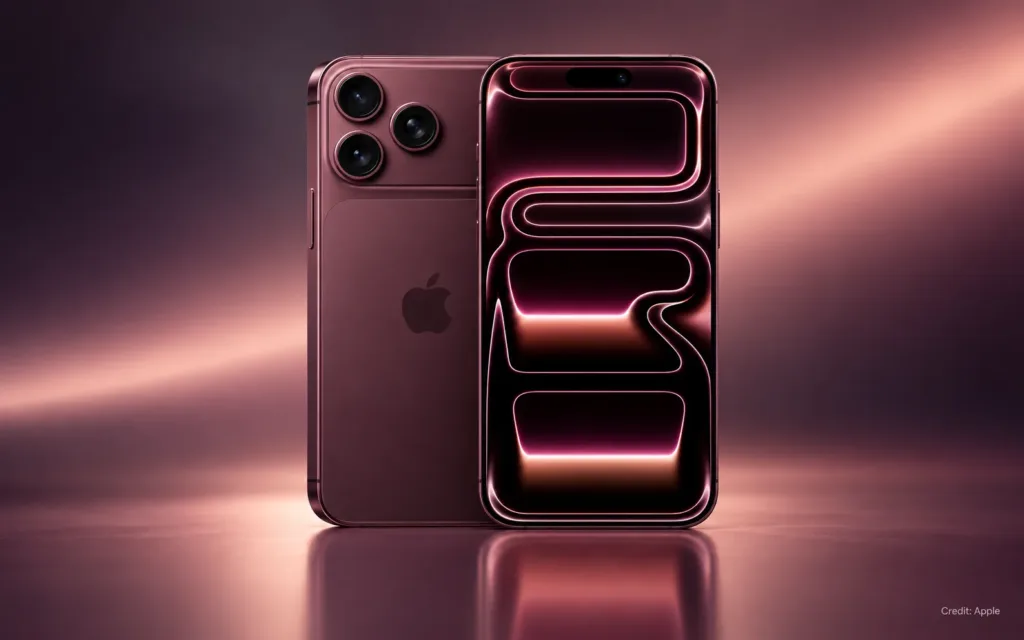
For creators who already work across Apple devices, the iPhone 18 Pro Max makes a particularly convincing case, especially when recording video, maintaining performance during demanding workloads and having greater control over camera settings are priorities. A20 Pro, the variable-aperture 48MP main camera and Apple’s expanded Pro controls give this generation more photographic flexibility than earlier Pro iPhones, while independent testing also found substantial battery endurance. Its size, 249g weight and $1,299 starting price make the smaller 18 Pro or another phone more practical for buyers who do not need the Max format.
Key features
- 6.9-inch Super Retina XDR OLED panel with an adaptive ProMotion refresh rate reaching 120Hz
- A20 Pro chip with next-generation vapor-chamber cooling
- 48MP main camera with variable aperture
- 48MP ultrawide and 48MP 4x telephoto cameras
- Up to 50% wired charge in around 15 minutes with compatible hardware
What to consider
- 249g body is unusually heavy for a conventional phone
- With an entry price of $1,299, this is clearly aimed at buyers shopping at the upper end of the smartphone market
- Buyers already using an iPhone 17 Pro Max may find the upgrade less compelling
-
#1 OUR TOP PICKSamsung Galaxy S26 Ultra
Best overall
Model / configuration: 256GB storage / 12GB RAM, unlocked
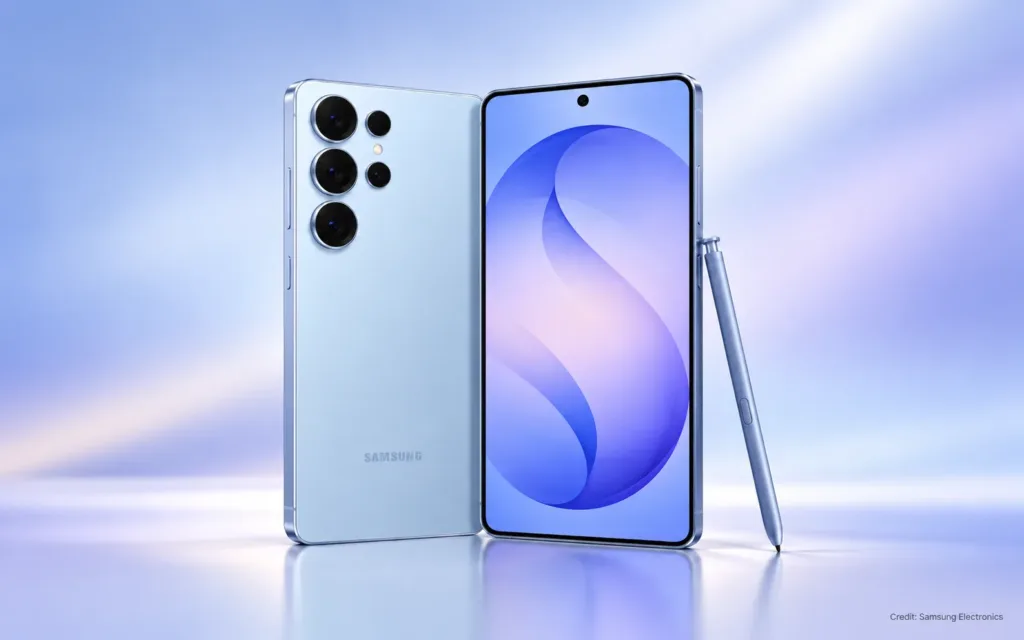
The Galaxy S26 Ultra takes the top position because no single feature has to carry the recommendation: it combines a 6.9-inch display, integrated S Pen, powerful Snapdragon hardware, four useful rear focal lengths and seven years of software support. Its main and dual-telephoto camera arrangement gives photographers more framing flexibility than most conventional flagships, while 60W charging addresses one of Samsung’s longstanding hardware limitations. The 5,000mAh battery does not match the endurance-focused OnePlus 15, and its $1,299.99 price remains substantial, but its overall capability is the most broadly useful combination in this five-phone group.
Key features
- 6.9-inch QHD+ Dynamic AMOLED 2X display with built-in Privacy Display
- Snapdragon 8 Elite Gen 5 for Galaxy
- 200MP main, 50MP ultrawide, 50MP 5x and 10MP 3x rear cameras
- 5,000mAh battery with up to 60W wired charging
- Seven generations of OS upgrades and seven years of security updates
What to consider
- $1,299.99 starting price is expensive
- Battery capacity remains 5,000mAh while some competitors have moved considerably higher
- Qi2 magnetic attachment still requires an appropriate case rather than magnets built directly into the phone
Editor’s final thoughts
The biggest change in the 2026 phone market is not that every flagship suddenly became dramatically better. It is that the differences between them have become more specific. Battery endurance, camera flexibility, AI integration, charging, ecosystem compatibility and long-term support can now matter more than another small processor increase.
Those combined strengths are what ultimately put the Galaxy S26 Ultra at the top of this particular shortlist. It covers more use cases without depending on one standout specification: there is a useful four-camera arrangement, the S Pen remains unique among mainstream premium phones, Samsung promises seven generations of OS upgrades, and charging has finally moved to 60W. Independent camera testing has also kept it among the strongest current photography options.
Its weakness is easy to identify. A 5,000mAh battery looks increasingly conservative beside the OnePlus 15's 7,300mAh cell, and independent testing confirms that OnePlus has a meaningful endurance advantage.
The ranking therefore should not be read as five versions of the same recommendation. Someone recording substantial amounts of video may reasonably gravitate toward the iPhone 18 Pro Max. A buyer who wants Google’s newest camera and Gemini features in a smaller flagship has a reason to prefer Pixel 11 Pro. And anyone trying to stay around $500 gives up surprisingly little everyday usability by choosing the Pixel 10a.
Before spending flagship money, decide which two or three capabilities you will actually use. That matters more than buying the phone with the longest specification sheet.
Report an issue with this article
Spotted outdated information or a broken link? The article URL is included automatically. Reports are private. Please do not include sensitive personal information.
Contact us at itechvora@gmail.com with the article link.