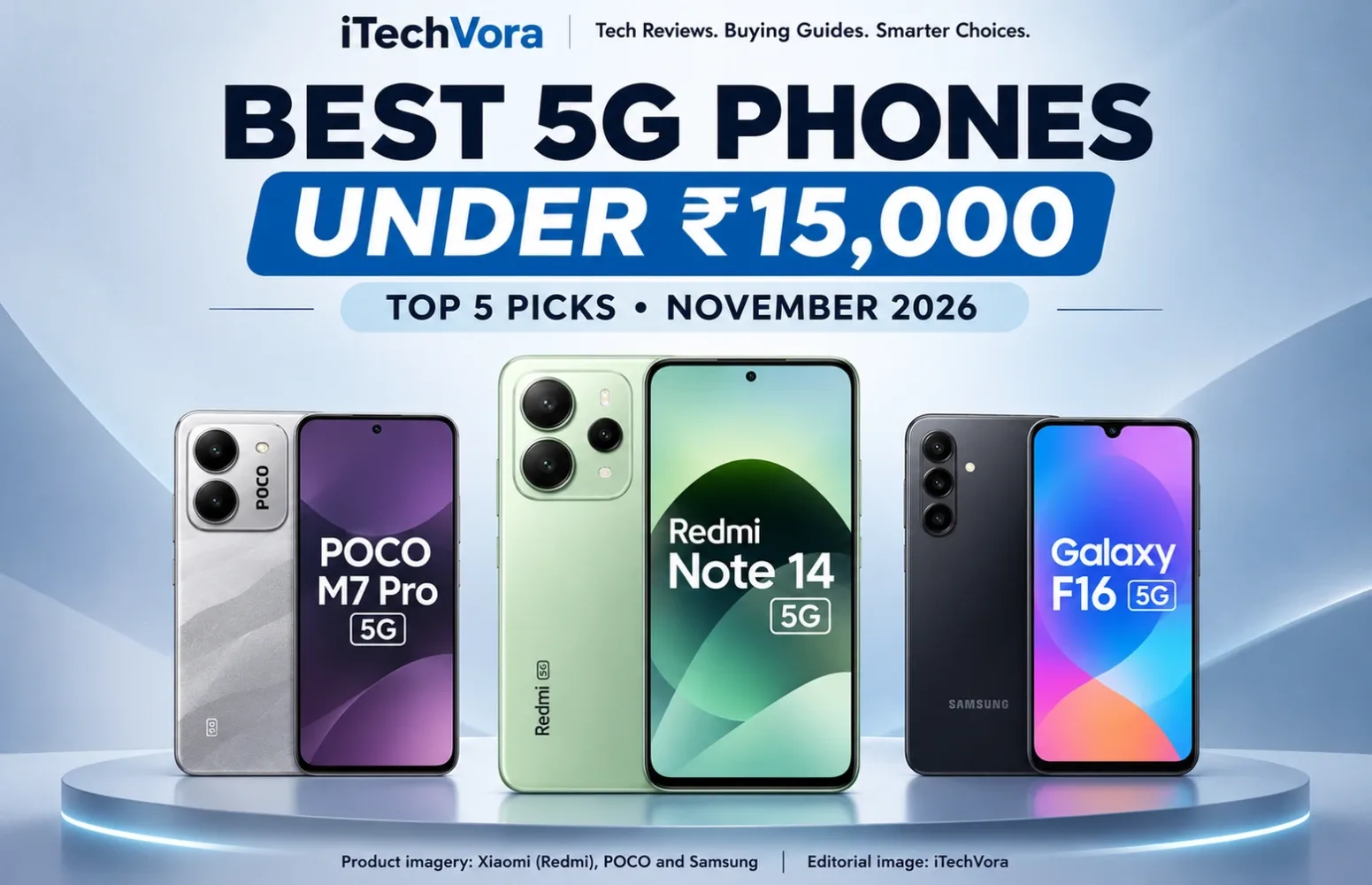
Spending ₹15,000 on a smartphone in November 2026 can get you a surprisingly capable device, but I would be careful about choosing one purely because it has the newest launch date or the largest battery. Some older phones now offer better displays, more useful cameras and stronger overall value than newer entry-level models.
For this guide, I compared current Indian listings, manufacturer specifications and the practical compromises behind each option. The biggest differences are not always in the processor. An AMOLED display, optical image stabilisation, reliable software updates and the right RAM configuration can make a greater difference to everyday ownership.
My preference is to buy a phone that gets the fundamentals right rather than one that looks impressive only on a specification sheet.
These five picks cover photography, entertainment, software longevity, gaming-oriented performance and affordable everyday 5G use. The prices are based on Indian listings checked on November 9, 2026, excluding conditional bank and exchange discounts. Final prices and delivery availability can vary by location.
Our top 5 picks
Count down to our #1 choice.
-
#5 Motorola Moto G45 5G
Best affordable 8GB 5G phone
Model / configuration: 8GB RAM + 128GB storage — Brilliant Green
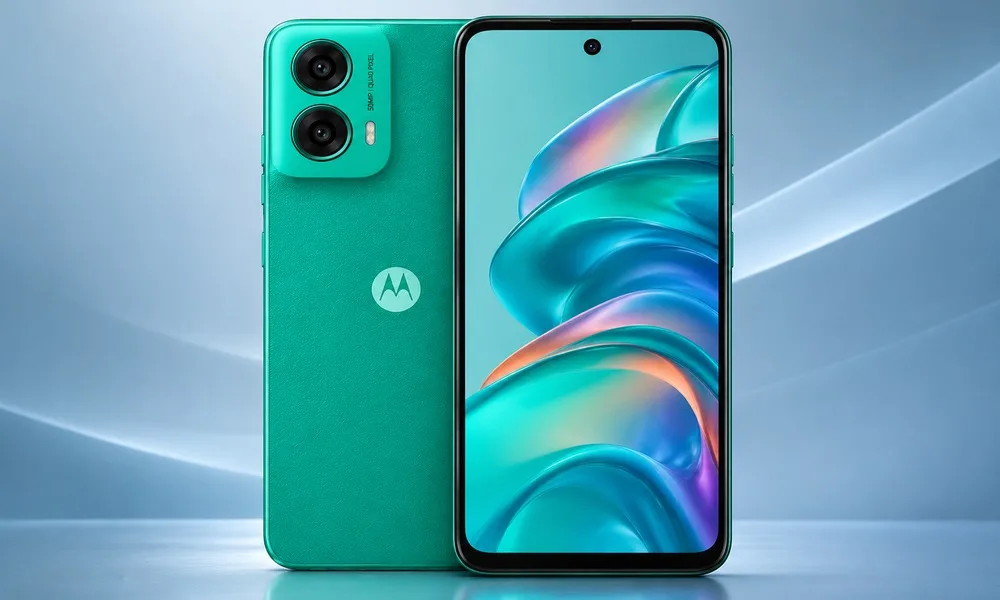
The Moto G45 5G earns its place because I would rather recommend a well-priced 8GB phone than pay almost ₹15,000 for a newer device with weaker everyday fundamentals. At ₹11,999, its Snapdragon 6s Gen 3 processor, 120Hz screen and stereo speakers make it an attractive choice for messaging, streaming, browsing and casual gaming.
Its compact 6.5-inch screen also makes it a more manageable option than several larger budget phones. The compromise is obvious: the display is only HD+, charging is relatively slow, and this 2024 model starts from an older software baseline. It makes sense primarily because of its discounted price, not because it competes with the newest phones on longevity.
Key features
- Snapdragon 6s Gen 3 processor
- 6.5-inch HD+ IPS LCD, 120Hz
- 8GB RAM and 128GB storage
- 50MP main camera and stereo speakers
- 5,000mAh battery, 18W charging support
What to consider
- HD+ resolution looks less sharp than the Full HD+ screens higher in this ranking.
- Charging speed is modest compared with 45W alternatives.
- Launched with Android 14; verify remaining security and software support before purchasing.
-
#4 Infinix Note 50x 5G
Best for budget gaming performance
Model / configuration: 6GB RAM + 128GB storage — Titanium Grey
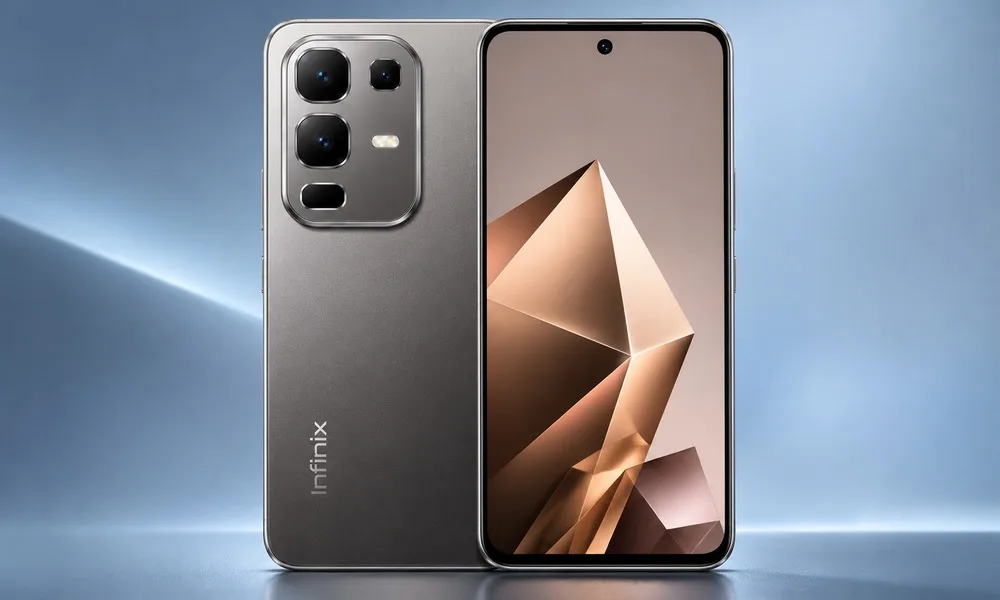
What interests me most about the Note 50x is the processor-to-price combination. The Dimensity 7300 Ultimate gives it a stronger performance foundation than many entry-level 5G models, while its 5,500mAh battery and 45W charging are competitive for the price.
I would consider it for someone who plays mobile games regularly but wants to spend closer to ₹13,000 than ₹15,000. Infinix also supports 4K rear video recording, although that does not automatically guarantee superior video quality. The reason it does not rank higher is the HD+ LCD display. I think a sharper Full HD+ AMOLED screen is worth prioritising for buyers who spend more time watching videos, reading or browsing than gaming.
Key features
- MediaTek Dimensity 7300 Ultimate processor
- 6.67-inch HD+ IPS LCD, up to 120Hz
- 5,500mAh battery with 45W charging
- 50MP rear camera with 4K recording support
- IP64 rating and dual speakers
What to consider
- HD+ resolution is the biggest display compromise.
- XOS software preferences and preinstalled apps should be considered.
- The manufacturer's store showed a ₹13,499 price but a notify-me option for the selected configuration; verify retailer stock.
-
#3 Samsung Galaxy F16 5G
Best for long-term software support
Model / configuration: 6GB RAM + 128GB storage — Bling Black
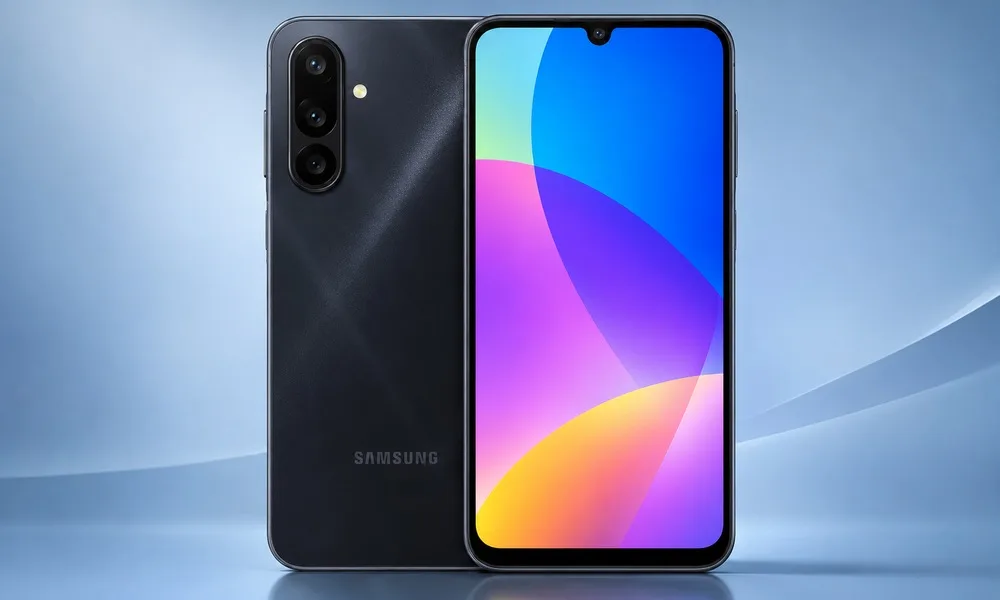
The more I considered long-term ownership, the stronger Samsung's case became. The Galaxy F16 5G combines a Full HD+ Super AMOLED display with Samsung's commitment to six generations of Android upgrades and six years of security support from launch. That is a meaningful advantage for people planning to keep their phones for several years.
Its Dimensity 6300 processor is not the fastest in this group, and I would choose something else for more demanding games. However, the display, Samsung ecosystem and software-maintenance commitment make it an appealing everyday phone. I placed it third because its 90Hz refresh rate, 25W charging and lack of OIS leave the higher-ranked models with advantages in hardware and photography.
Key features
- 6.7-inch Full HD+ Super AMOLED, 90Hz
- MediaTek Dimensity 6300 processor
- 50MP main, 5MP ultrawide and 2MP macro cameras
- 5,000mAh battery with 25W charging
- Six-generation Android upgrade commitment
What to consider
- Not the strongest processor for demanding mobile gaming.
- Main camera lacks optical image stabilisation.
- Six generations of upgrades is a commitment from its 2025 launch, not six additional generations starting in November 2026.
-
#2 POCO M7 Pro 5G
Best for display and entertainment
Model / configuration: 6GB RAM + 128GB storage — Lunar Dust
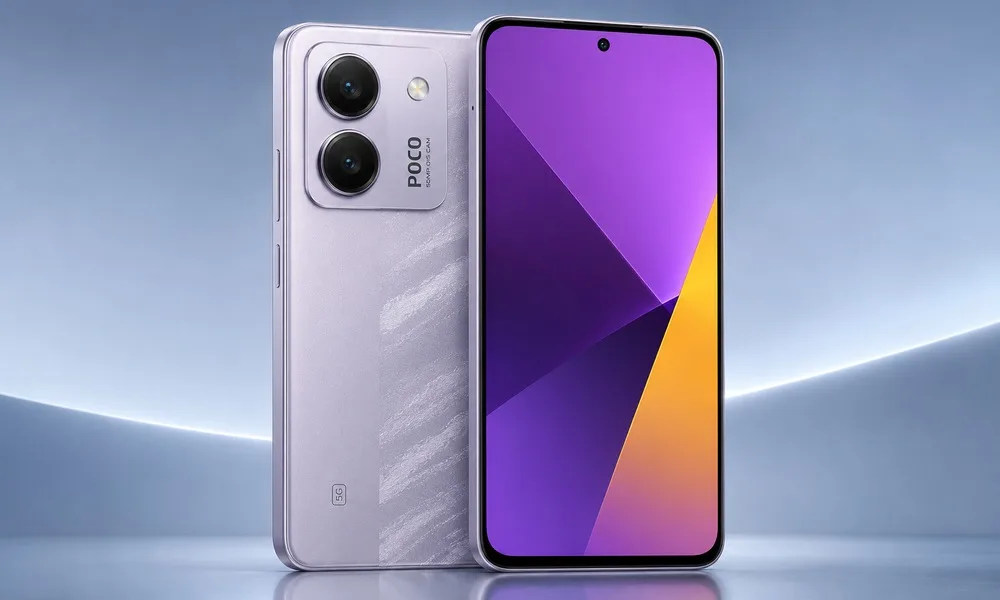
The POCO M7 Pro is one of the more convincing options at the upper edge of this budget. Its 120Hz Full HD+ AMOLED display, 50MP optically stabilised main camera and 45W charging cover several features I would actively look for in a phone costing ₹15,000.
What nearly pushed it into first place was how little it asks buyers to compromise on the essentials. The screen is a meaningful upgrade over HD+ LCD alternatives, and OIS is useful when photographing handheld. However, its secondary rear camera is a 2MP depth sensor rather than an ultrawide. The Redmi Note 14 offers greater camera flexibility at nearly the same listed price, which is why I placed POCO second.
Key features
- 6.67-inch Full HD+ AMOLED, 120Hz
- MediaTek Dimensity 7025-Ultra processor
- 50MP main camera with OIS and 20MP selfie camera
- 5,110mAh battery with 45W charging
- Stereo speakers with Dolby Atmos support
What to consider
- No dedicated ultrawide camera.
- HyperOS preferences, preinstalled software and remaining update support matter.
- Its larger 8GB/256GB variant was listed above ₹15,000.
-
#1 OUR TOP PICKRedmi Note 14 5G
Best overall for balanced everyday use
Model / configuration: Retailer-listed 6GB RAM + 128GB storage — Ivy Green
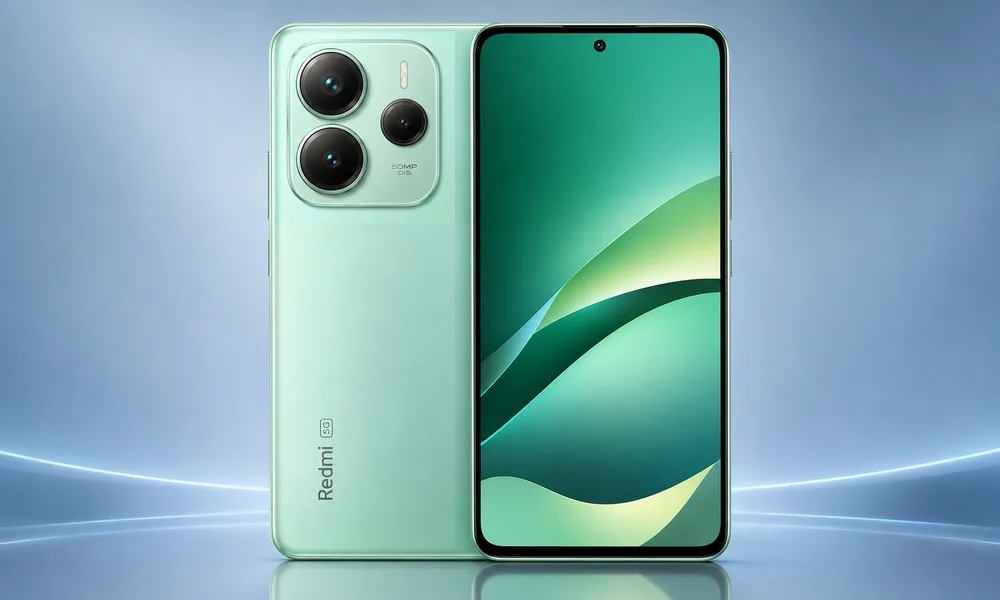
I originally expected the choice between Redmi and POCO to be much closer, and it is. Both deliver the important combination of a Full HD+ AMOLED display, optical image stabilisation and 45W charging. The difference that ultimately pushed the Redmi Note 14 ahead for me is its more flexible rear-camera setup.
The Indian model combines a 50MP Sony LYT-600 main camera with an 8MP ultrawide and 2MP macro camera. I would not assume the ultrawide matches the main sensor in image quality, but having that additional perspective is genuinely useful for landscapes, interiors and group photographs.
Its 120Hz AMOLED display, stereo speakers, IP64 rating and 5,110mAh battery make it a well-rounded recommendation. The reservations are its older Android 14 launch baseline and the need to verify the exact discounted 6GB configuration: Xiaomi's current India specification sheet highlights 8GB models, while the retailer listing shows 6GB. At the verified retailer-listed price, it narrowly earns the top position.
Key features
- 6.67-inch Full HD+ AMOLED display, 120Hz
- MediaTek Dimensity 7025-Ultra processor
- 50MP Sony LYT-600 camera with OIS, plus 8MP ultrawide
- 5,110mAh battery and 45W charging
- IP64 protection, Gorilla Glass 5 and stereo speakers
What to consider
- Launched with Android 14 and a shorter update commitment than Samsung.
- Verify the 6GB/128GB SKU, seller warranty and Indian model details before ordering.
- It is not necessarily the best choice for sustained demanding gaming.
Editor’s final thoughts
What surprised me most while comparing phones under ₹15,000 was how difficult it was to justify some newer models. A recent launch date sounds appealing, but it means little when a phone sacrifices screen resolution, camera flexibility or charging speed without offering a meaningful price advantage.
The Redmi Note 14 5G narrowly became my top pick because of the overall combination of its AMOLED screen, OIS-equipped main camera, ultrawide lens and charging capabilities. For somebody who wants one affordable phone for photographs, entertainment, messaging and everyday applications, that feature combination makes sense.
There is one important qualification: I would verify the retailer-listed 6GB variant before paying. Xiaomi's India specification page lists 8GB configurations, so the exact discounted product and warranty deserve checking.
I would not automatically pick the Redmi for everybody, either. The POCO M7 Pro is extremely close and offers a similarly strong screen and stabilised main camera. Samsung's Galaxy F16 is more convincing if software support is the main concern, while Infinix makes a stronger case for buyers prioritising processor capability over display sharpness.
For readers comparing batteries and advertised charging speeds, iTechVora's Battery Charging Time Calculator can illustrate charging scenarios, although it cannot predict measured charging performance. The Display Pixel Density Calculator is also useful when comparing HD+ screens with Full HD+ alternatives. Buyers worried about whether 128GB will be enough can use our Storage Capacity Planner before choosing a configuration.
I would pay close attention to remaining software support, warranty validity and actual stock. Several appealing alternatives, including the iQOO Z10x and Tecno Pova 7, had listings showing stock limitations, while Samsung's newer Galaxy M17 had current prices above this budget.
At this price, buying the right discounted model can be smarter than automatically choosing the newest one. But a discount is only useful when the seller, specifications and after-sales support are trustworthy.
Report an issue with this article
Spotted outdated information or a broken link? The article URL is included automatically. Reports are private. Please do not include sensitive personal information.
Contact us at itechvora@gmail.com with the article link.